Inside Healthcare’s Trust Gap: Insights from Across the Globe

For the fourth consecutive year, A Million Conversations (AMC) has examined perceptions and experiences of global healthcare systems. With 57,000 voices captured in ten countries over four years, this is the largest longitudinal study of trust in healthcare of its kind.
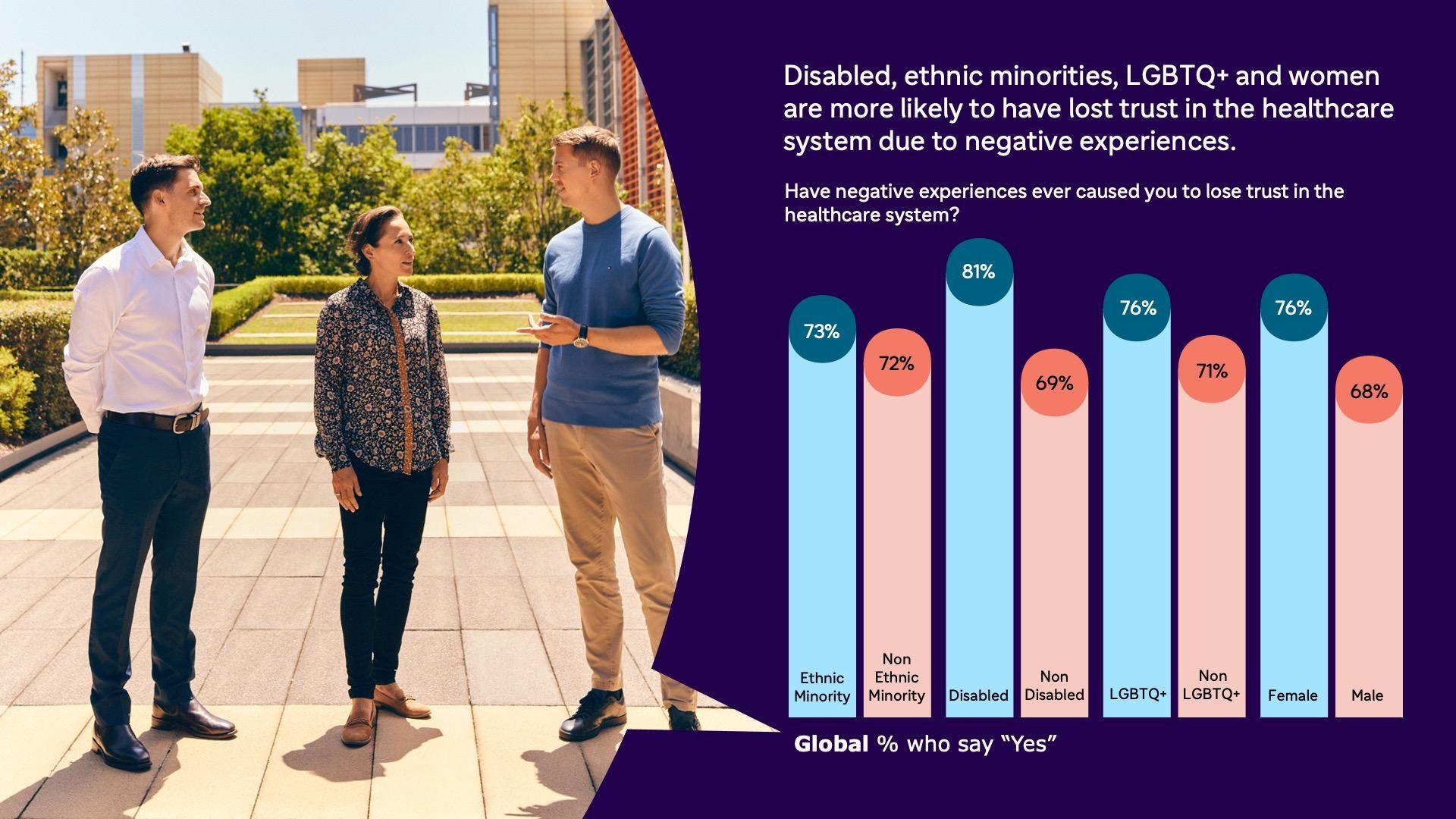
The latest figures from our global polling, (Study of 12,028 people from June 16th to July 7th, 2025)
How Fragile is Trust in our Healthcare Systems?
Last year, over 12,000 people shared their experiences of healthcare systems with us. This marked the fourth consecutive wave of polling, spanning Australia, Canada, Germany, Spain and Mexico.
The data tells us a consistent and concerning story: trust in our health systems is under strain. Among the general population (excluding under-supported groups), 64% report negative experiences of medical care. Patients have faced disregard for symptoms, judgements about sexual practices, and medical explanations provided via inaccessible technology or languages - to name but a few examples. These experiences reach a critical level of 72% among historically under-supported people - which includes those identifying as women, ethnic minorities, LGBTQ+ or disabled.
When we look through an intersectional lens, the inequity becomes starker. For example, disabled women consistently report the most negative experiences (89%) of healthcare and consequences arising from them.
These negative experiences have been eroding trust. Across all five countries, 73% of people from historically under-supported groups have lost trust in healthcare systems. For over half of them, the most recent experience that made them lose trust occurred within the past three years, emphasizing that this is not a legacy issue, but an ongoing and immediate challenge for health systems today.
Yet patients have told us that the pathway to rebuilding trust is clear. Historically under-supported groups have been explicit about what they expect: reliable, high-quality care, fair treatment, easy-to-understand communication and empathy. These expectations are achievable and they offer health systems clear recommendations for starting to repair the harm they have enabled to date.
The Consequences of Broken Trust
The erosion of trust in healthcare can be devastating. When trust erodes, people disengage and the consequences ripple far beyond the initial experience. From postponing appointments to avoiding healthcare systems entirely, the impact is profound - leading to feelings of isolation, worsening conditions and increased self-medication.
Among under-supported respondents:
- 78% reported facing several consequences due to negative situations experienced in healthcare.
- Half reported delay in diagnoses or treatment for health problems.
- Disabled people were most affected at 89%, rising to 91% for disabled women, who were also most likely to avoid medical care altogether unless faced with an extreme emergency.
These disparities demonstrate that existing models of care create accumulated disadvantages. But they also point to an opportunity. By designing health systems that are rooted in lived experience, we can create truly inclusive and accessible care. Health is personal and care needs to reflect individual needs so that every patient, regardless of background, can access safe and equitable treatment.
This investigation highlights a silent but deep health divide. The lack of listening and empathy feeds a spiral of mistrust that ultimately leads to the renunciation of care – with significant physical and mental health consequences. As states face systemic crises affecting health systems, we are seeing rising expectations of private actors.

Brice Teinturier
IPSOS Deputy CEO
New Evidence, Deeper Insight: Indigenous Experiences and System Design
The latest research also examines the experiences of Indigenous populations in Australia and Canada in greater depth.
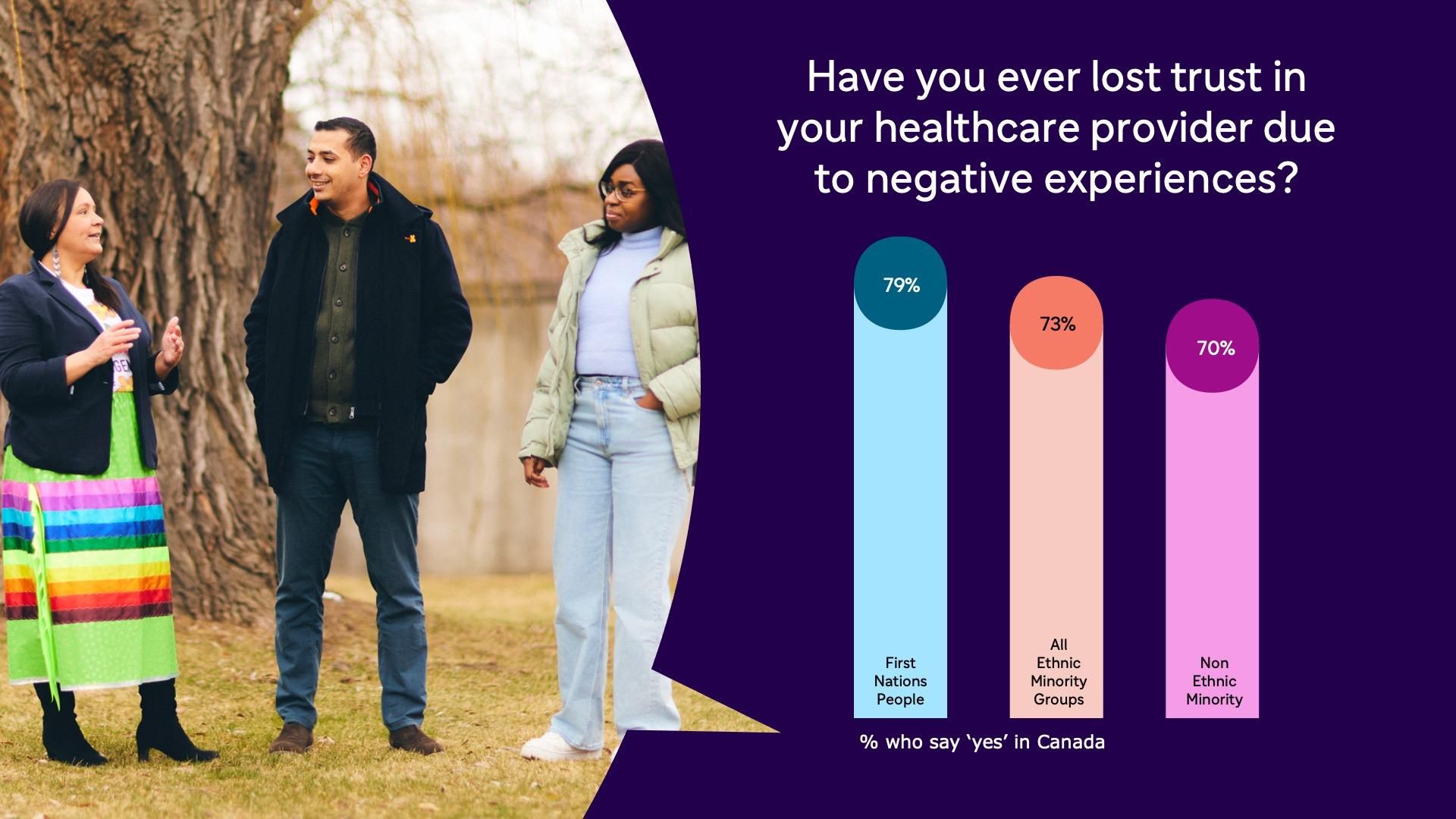
The latest figures from our polling in Canada (Study of 2,372 Canadian people from June 16th to July 7th, 2025).
In Australia, 77% of Aboriginal and Torres Strait Islander peoples say they have had a damaging healthcare experience - the highest of any Australia subgroup - compared with 55% for other minority ethnic groups. We saw a similar result for indigenous peoples in Canada, 75% - in comparison to 48% for other ethnic groups.
Indigenous peoples also reported significantly higher levels of feeling judged, unsafe or unwelcome in healthcare settings and are three times more likely to distrust information shared by healthcare providers.
Of all five countries polled, under-supported groups in Australia and Canada were most likely to report that their experiences of health care had a negative impact on their mental health. 55% of them reported having experienced anxiety, stress and/or trauma, compared to 34% of the general population (excluding under-supported groups).

In Canada last year we held a summit that brought together Sanofians, policymakers, clinicians, community leaders, and patients to discuss how to create a fairer, more inclusive healthcare system. Indigenous Health and First Nation Expert, Dr Lana Potts, joined us as a keynote speaker.
“Rebuilding trust is possible if genuine efforts are made to listen to indigenous voices. By committing to understanding and honoring indigenous cultural practice, the system can deliver patient-centered, culturally sensitive care” - Dr Lana Potts.
Bridging the Trust Gap: Actionable Steps
Rebuilding trust in healthcare requires listening, empathy and ongoing collaboration. Historically under-supported groups have made their expectations clear about how it can be done:
- 75% shared that fair treatment and transparent communication would help restore trust.
- Many highlighted the value of positive peer testimonials, partnerships with community leaders and representative healthcare staff.
Rebuilding trust is not just the responsibility of individual providers - it is an industry-wide challenge. While patients' views diverged on many issues, there was one that people from all backgrounds agreed on: pharmaceutical companies have a critical role to play.
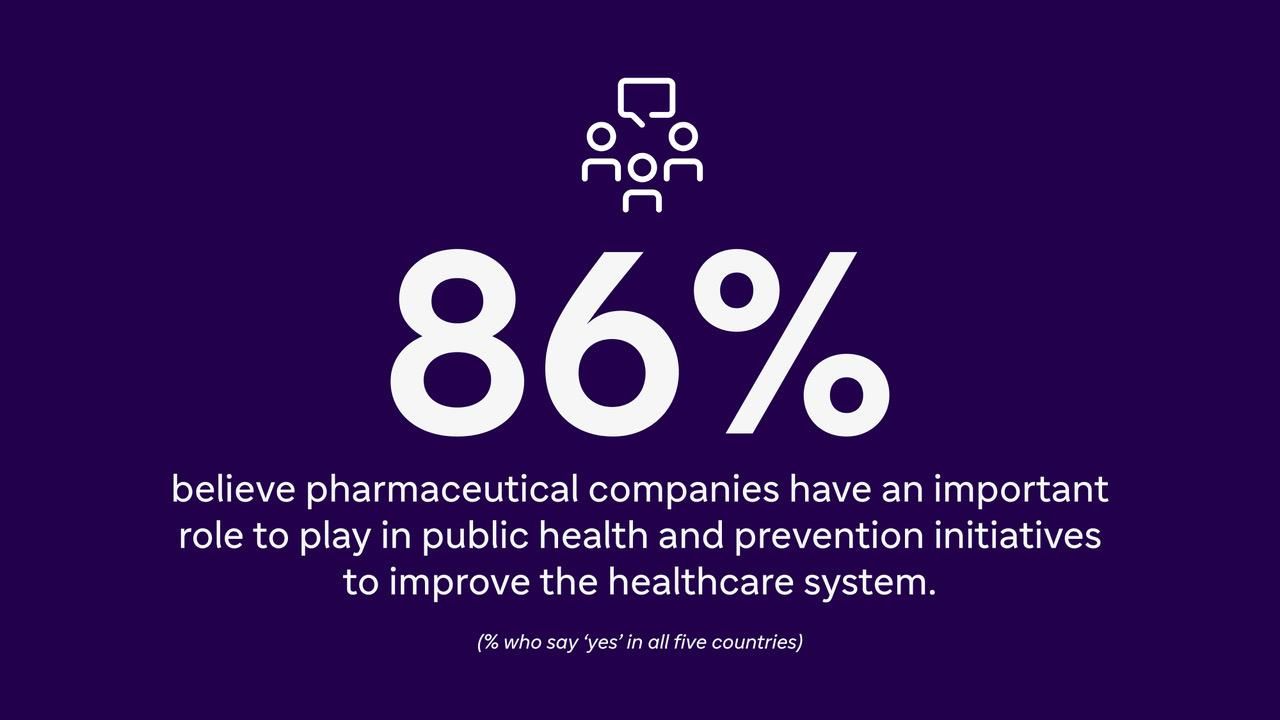
The latest figures from our global polling, (Study of 12,028 people from June 16th to July 7th, 2025)
86% believe that pharmaceutical companies have a constructive role to play in improving healthcare systems. Patients are asking the industry to step up and this represents a defining moment of responsibility that cannot be ignored.
This year’s findings reinforce the recommendations outlined in last year’s Closing Healthcare’s Trust Gap report, highlighting the need for urgent changes to public health. The recommendations include guidance for empowering healthcare professionals and supporting person-centered care. They also emphasize the need to ensure both research and healthcare workforces are representative of the communities they serve. Read the full recommendations here.
When 86% of people globally call on our sector to drive change, that’s a clear mandate for us to work across the ecosystem to improve health outcomes. Patients are telling us how to rebuild their trust. If we listen, we can create a system where everyone, regardless of their background, feels safe and respected when engaging with healthcare.

Raj Verma
Chief Culture, Inclusion &. Experience Officer
Get in Touch
Closing healthcare’s trust gap is long-term work that requires sustained commitment from every part of the ecosystem. Meaningful change depends on expanded partnerships, ongoing collaboration with lived experience groups and the willingness to listen, adapt, and act on what patients are telling us.
If you’d like more information on our polling and recommendations, please get in touch.
FAQs
What's New in This Year’s Findings?
Previous polling established the existence of the healthcare trust gap, and the consequences of this. This year’s findings updates these results, while also revealing a strong public endorsement (86%) for pharmaceutical companies to play a constructive role in improving healthcare systems.
Why is Sanofi’s Involvement so Important?
86% of respondents believe pharmaceutical companies should play a constructive role in strengthening healthcare systems. Through A Million Conversations, Sanofi is responding by working with historically under-supported communities and partner organizations to rebuild trust in healthcare systems and improve equitable access to care.
What is A Million Conversations?
AMC was founded in 2023 as Sanofi’s commitment to health justice. Backed by a €50m investment, the initiative includes three core pillars:
- Supporting people of all backgrounds into careers in the healthcare sector
- Facilitating dialogue events between communities and healthcare representatives
- Influencing the system through research and recommendations for policymakers and institutions
Explore More
Closing Healthcare’s Trust Gap

United for Impact: Building Healthcare Coalitions that Last